





TRT Before and After: Expert Considerations for Beginners
Your age doesn’t matter — it might turn out to be that your testosterone level is of a senior man. No need to get embarrassed by such results since you can opt for the powerhouse troubleshooting approach in this case. With several TRT before and after pictures and testimonials, it is clear that this method may be the right answer to address your low testosterone and other health-related problems. Boost your confidence and forget about feeling anxious and uncertain about your act.
With a TRT method that caters to your needs and health state, you can change things for the better. Although the path itself may take some time, the results are worth your efforts.
Understanding Testosterone Replacement Therapy (TRT)
What is TRT and who might need it? The notion itself defines a special medical treatment approach that aims at optimizing testosterone levels in male patients experiencing any related deficiency. Also known as hypogonadism, low testosterone has a negative impact on how the body functions.
This medicine is available in a wide range of forms, which promotes personalized treatment courses that will work for anyone. Although it might be a crucial measure on the way to your better self, it would be wrong to disregard any precautions and side effects to deal with. Who may find this practice beneficial? Check the table below for a straightforward answer.
Common Symptoms of Low Testosterone
The symptoms patients with low testosterone might experience include cognitive, emotional, and physical changes. The intensity of such side effects varies a lot, too. Recognizing them early will help you solve the problem timely and prevent the risk of severe weight gain, fatigue, or even sexual dysfunction.
Before Starting TRT: Key Considerations
Unlike what your expectations might be, be prepared to dedicate yourself to a long-term treatment course. It also comes hand in hand with regular medical supervision to prevent the scenario when something goes off. Let’s dig into some factors to take into account before going for this practice.
Signs That You Might Need TRT
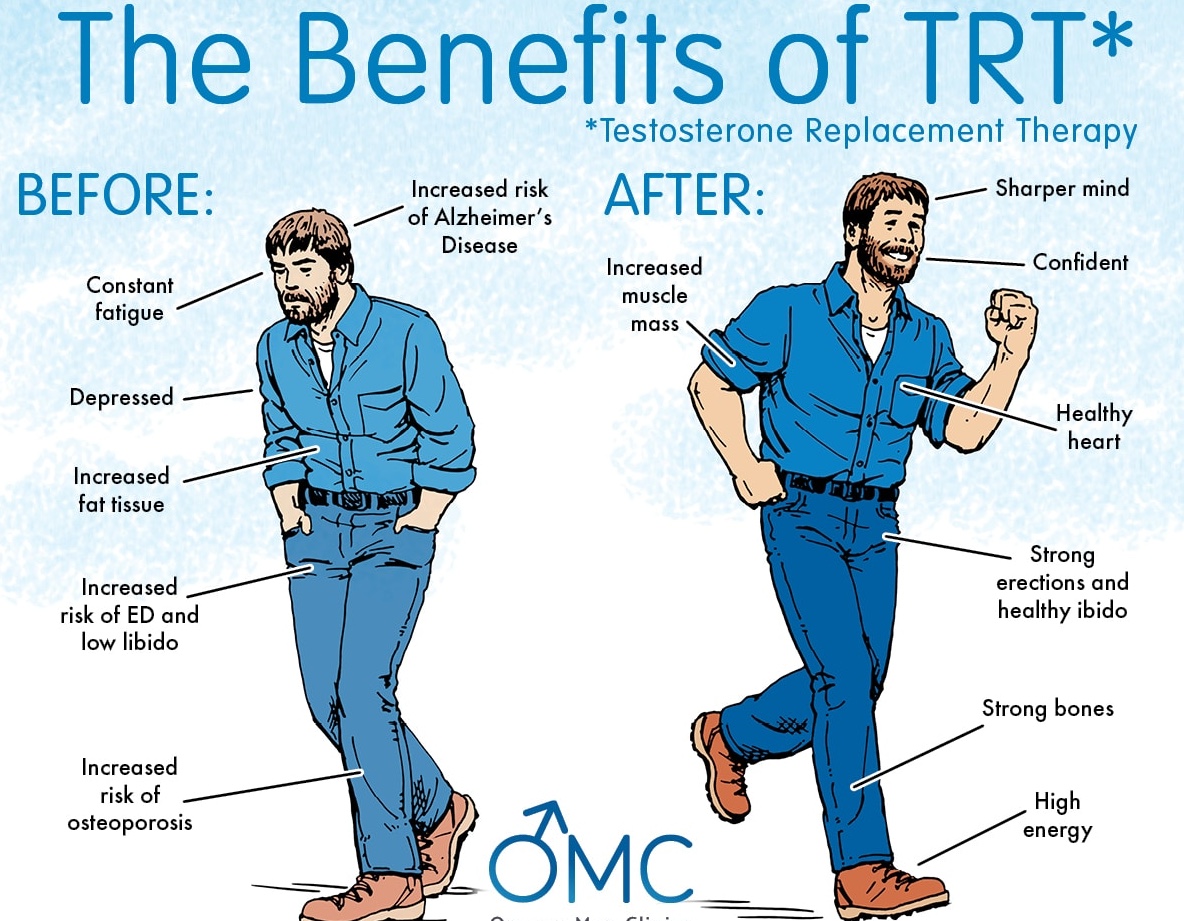
Consult with a professional healthcare provider to prove your diagnosis. While several symptoms of low testosterone may be individual issues, random and unexplained changes in how your body works are worth special attention. Identify patterns in such symptoms:
poor recovery;
depression;
low sex drive;
unexpected muscle loss;
persistent fatigue.
Medical Tests and Diagnosis
A single blood draw won’t be enough to confirm that the symptoms you might be experiencing are caused by low testosterone levels. Cooperate with your doctor to get a full profile of your hormonal health before taking any serious measures. Don’t forget about the impact of timing during such tests, given testosterone may fluctuate throughout the day.
Choosing the Right TRT Method (Injections, Gels, Patches, etc.)
Every available method is unique and can introduce more benefits for your needs than alternatives. Understanding the differences between them can help in making your final choice and improve your long-term hormone optimization.
Here are some factors to consider in this case:
Convenience — some methods require daily application, while others last for weeks.
Absorption & effectiveness — injections can provide stable testosterone levels, while patches and gels offer more gradual absorption.
Lifestyle impact — take into account side effects that might potentially kick in and other factors like travel frequency, sweating, etc. to define the most effective and convenient TRT method.
Cost & availability — check the variety of TRT methods in your market. The frequency of use and the target formulation influence the price a lot.
Let’s analyze available TRT methods for preliminary decision-making. Consult with your healthcare provider to exclude all choices but one with the utmost confidence.
Testosterone Replacement Therapy & Its Long-Term Efficiency
This treatment course will lead to both gradual and more instant changes to your mind and body. Be patient to let all the benefits and improvements develop to the fullest extent possible. Understanding this timeline helps manage your expectations and set realistic expectations.
Here is what will happen in the course of the first four weeks of your TRT schedule:
better sleep patterns, contributing to your overall recovery;
improved libido;
mood enhancements;
increased energy levels.
This treatment has also been shown to have prospective benefits for cognitive function. Boost your mental performance and memory by restoring your testosterone levels.
For a full picture of what shifts in the body and mind function are projected, check the following. Onwards!
After three to six months of your treatment course, you will be able to catch on noticeable changes in your physique:
Increase in lean muscle mass — more efficient protein synthesis leads to stronger, fuller muscles.
Reduction in body fat — enhanced metabolism helps decrease stubborn fat, especially around the abdomen.
Improved strength & endurance — better recovery times and increased workout performance.
More defined physique — Leaner, harder muscle appearance due to better muscle-to-fat ratio.
TRT is not a quick remedy, but rather a gradual process that improves both physical and emotional well-being over time. While some advantages surface quickly, muscle building, fat reduction, and long-term health gains require patience and consistency. TRT combined with the correct food, strength exercise, and healthy lifestyle choices yields the best outcomes.
Potential Risks and How to Minimize Them
If you don’t want to find yourself overpowered by the prospective negative response of your body to the TRT treatment, you should keep control of how its impact evolves following your course’s modifications and adjustments. Regular tests to define your levels of hematocrit, estrogen, testosterone, etc. will come in handy. Of course, it doesn’t mean you can neglect the rules of thumb for any treatment for muscle gain goals — consistent training and balanced nutrition.
Estrogen Imbalance and Side Effects
This problem may take place when testosterone in your blood gets converted into estradiol. Keeping your estrogen balance under control is possible by monitoring estradiol (E2) levels through blood tests. There are additional signals to consider and be alarmed.
Blood Pressure and Heart Health Considerations
If your levels of hematocrit get too high, it might lead to blood thickening and other issues related to your cardiovascular health. You can prevent such problems by incorporating proper hydration, a heart-healthy diet, and cardio training in your daily routine.
Managing TRT for Long-Term Success
Strategize your approach to reach maximum efficiency without compromising your health. Don’t forget about regular checkups — blood tests may be conducted every three to six months. Consult with your healthcare provider if you require any dosage adjustments or additional medication to control and improve the impact of TRT on your body.
Compatibility Concerns & Contraindications
If you undergo other treatment courses, please consider how those drugs you take may impact the efficiency and safety of your TRT schedule and dosage. Seek professional aid to ensure you won’t face any additional issues in this case. In addition, untreated sleep apnea, prostate cancer, and severe heart disease instances are the reasons to choose TRT alternatives.
TRT can be quite successful, but it must be taken in conjunction with other drugs to minimize adverse effects. Before beginning therapy, always tell your doctor about all of your current drugs and any pre-existing problems. Regular monitoring ensures that hormone levels remain stable and possible hazards are reduced.
Final Thoughts: Is TRT Right for You?
While TRT isn't a one-fits-all-needs solution, its multipotent efficiency can easily gain a staple status in your arsenal of health-related schemes and programs for individual well-being. It isn’t all about muscle mass growth. It is also about boosting your mood, improving energy, and more. Before getting started, consider potential side effects and matching countermeasures to stay on the safe side of the deal and know how to deal with estrogen imbalances, increased red blood cell count, etc.
Understanding the pros and cons of the approach is a highway to informed and advantageous decisions for interested parties. Monitor your progress and stay in touch with your healthcare provider to spot any vulnerabilities or “red flags” during your treatment course.
Take responsibility for your health and well-being in your hands. With TRT, you can solve the root of the problem. Don’t forget about your opportunity to maximize possible results. Personalize your routine with a focus on lifestyle changes, training, and a healthier diet. That's how you can ensure optimal body composition and other improvements at the end of the day.