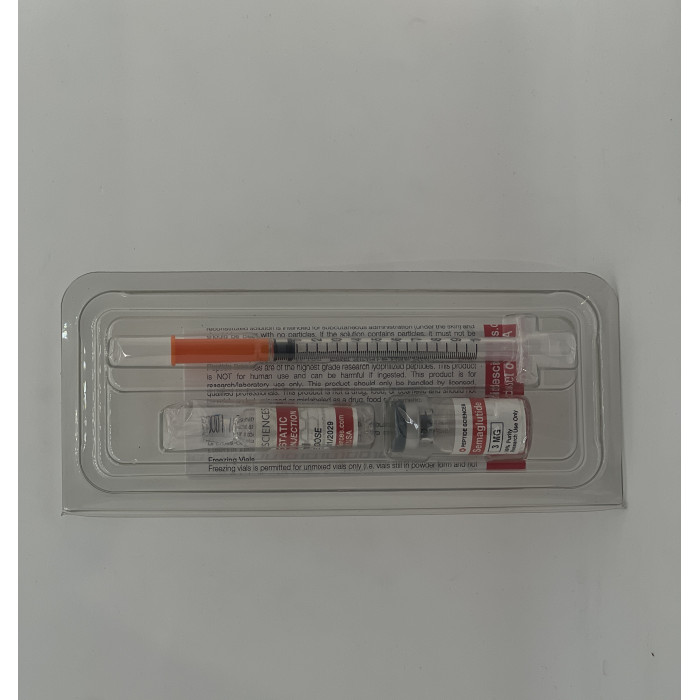
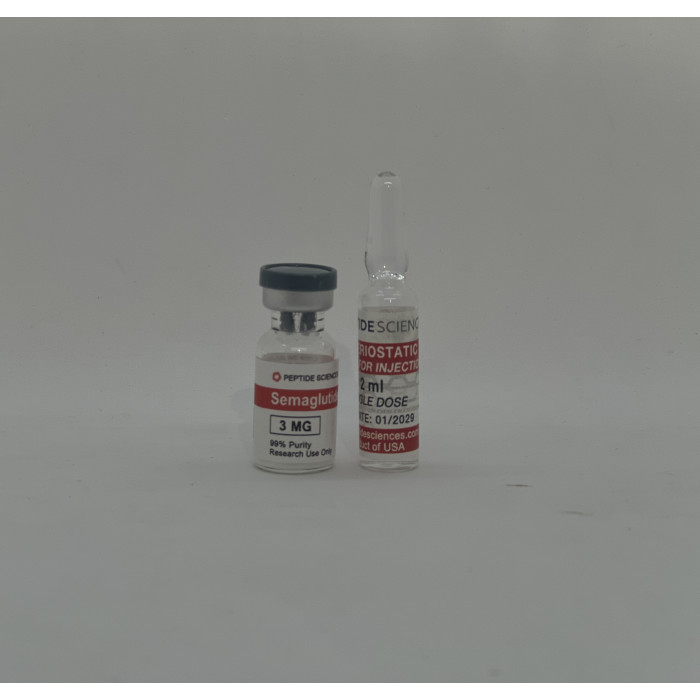
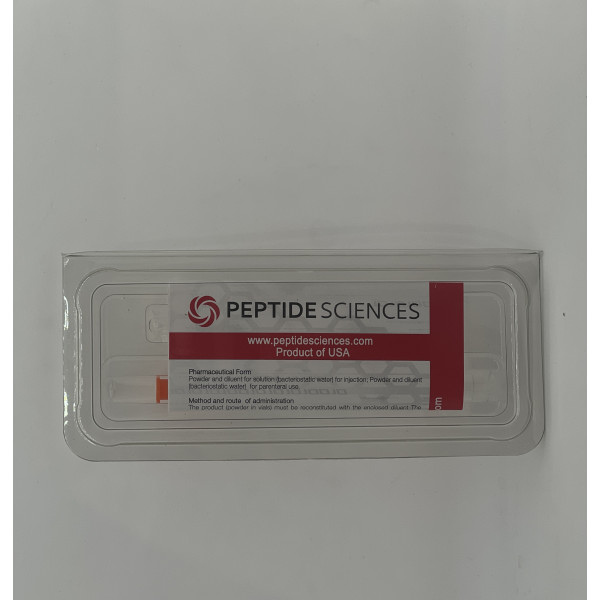
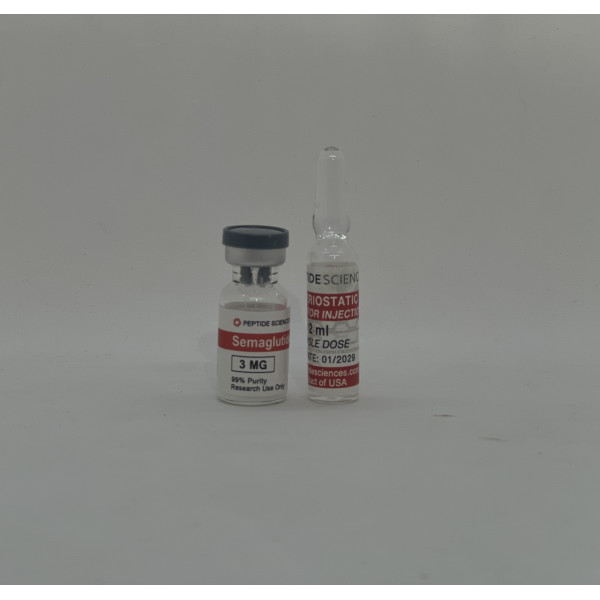
Semaglutide is extracted from GLP-1, a peptide that has been found to reduce blood glucose levels and stimulate insulin secretion. Some research has also shown that semaglutide may have beneficial effects on heart, liver and lung function and may slow or halt the progression of Alzheimer's disease. For example, semaglutide has the ability to reduce appetite by staying in the stomach for a long time and also by reducing muscle activity in the bowel. The effects of glucose levels on the secretion of insulin and glucagon can be managed by glucagon-like peptide-1 (GLP-1) analogs. You can buy Semaglutide 3mg without prescription online for your personal use in our webshop.
Overview of semaglutide and GLP-1
GLP-1 is short for glucagon-like peptide-1, a small peptide hormone composed of only thirty to thirty-one amino acids. Its most important physiological role is to regulate blood glucose levels by increasing insulin secretion. It also protects beta-cell insulin stores, stimulates the growth of insulin genes and is involved directly in neurotrophic functions in the brain and CNS. Regarding the gastrointestinal system, GLP-1 has been demonstrated to decrease appetite by delaying gastric emptying and causing a slowing of intestinal contractions. Furthermore, there are experimental efforts that have identified possible effects of GLP-1 in the heart, fat, muscle, bone, liver, lung, kidney and other parts of the body.
Diabetes mellitus/treatment and prevention of obesity has been the main area of research into GLP-1. A secondary focus of research has been on the peptide's effects on the cardiovascular system. Finally, more recent and therefore more speculative investigations have looked at the ability of GLP-1 to reduce the risk of neurodegenerative diseases. Although this last area is the youngest in the literature, it is also a rapidly developing area of GLP-1 study now that the peptide has been found to delay or even stop the formation of amyloid-beta plaques related to Alzheimer's disease.
Studies with Semaglutide and GLP-1 - Incretin hormone action of GLP-1
According to Dr Holst, one of the last effects of GLP-1 is the "incretin effect", a group of metabolic hormones secreted by the small intestine that cause a decrease in blood glucose or sugar. GLP-1 has been shown within rodents to increase the incretin effect as one of the two most effective hormones, the other one is GIP. While GIP moves through the circulation at about 10 times the concentration of GLP-1, researchers have found that GLP-1 is much more effective than GIP, especially when blood glucose levels are high.
A specific GLP-1 receptor is located on the outside of pancreatic beta cells, and GLP-1 has been shown to directly stimulate the secretion of insulin from the pancreas. GLP-1 taken together with sulfonylurea drugs stimulates insulin release in patients with type 2 diabetes to such an extent that symptomatic hypoglycemia occurs in 40% of patients. Of course, increased insulin secretion is associated with a number of nutritional effects, including higher rates of protein synthesis, slower rates of protein breakdown, and greater skeletal muscle uptake of amino acids.
GLP-1 and beta cell protection
Evidence from animal studies has also shown that GLP-1 can encourage the development of pancreatic beta cells, and new research suggests that GLP-1 can cause pancreatic ductal epithelial progenitor cells to progress into beta cells. Description studies have also indicated that GLP-1 can block beta-cell apoptosis. Together, these effects shift the balance of beta cell proliferation and apoptosis in favour of proliferation, so the peptide could be used to treat diabetes and provide protection to the pancreas from damage that negatively affects beta cells.
One of the most convincing investigations demonstrated that GLP-1 has a sceptical effect on beta cell death with increased levels of inflammatory cytokines. Moreover, studies in genetic mouse models of type 1 diabetes have shown that GLP-1 also has a direct effect on preventing pancreatic islet cells from being destroyed, which may play a potential role in avoiding the development of type 1 diabetes.
A few words about GLP-1 and appetite control
Animal research has shown that delivering GLP-1 and the GLP-1 receptor into the brains of mice significantly slows calorie intake and reduces obsession with food. It now appears that GLP-1 may somehow help to improve satiety, or the ability to feel full, thereby reducing hunger.
Clinical testing with the current controlled trials in mice shows that twice-daily doses of GLP-1 receptor agonists lead to a steady, but gradual, loss of body weight. In addition, there was a decrease in haemoglobin A1C, a measure of disease severity and a marker of glycaemic control achieved with treatment.
Potential cardiovascular effects of GLP-1
GLP-1s are expressed throughout the heart in humans, and they promote specific aspects of heart function by increasing the overall rate of heartbeat and the amount of pressure in the left ventricle. Although the latter may seem small, increased LV end-diastolic pressure is a sign of LV hypertrophy, cardiac enlargement and end-stage heart failure. More recent research has suggested that GLP-1 may help to reduce the overall amount of damage caused by a heart attack.
It appears that the peptide increases the rate of glucose uptake in the heart muscle, helping the damaged ischaemic heart muscle to obtain the nutrients it needs to continue functioning, rather than signalling cell death.
The increased glucose uptake rate in these cells is not thought to be mediated by insulin. High doses of GLP-1 administered intravenously improve LV performance and reduce SVR in dogs. The latter may help to lower blood pressure and, as a result, reduce the workload on the heart. This may minimise the degree of LV remodelling, the progression of arterial wall hypertrophy and the development of heart failure as a complication of hypertension.
Dr. Holst found that "GLP-1 administration after heart injury consistently increased heart muscle performance not only in experimental animal models, but in patients as well".
Some information about GLP-1 and brain
For example, in neurodegenerative diseases such as Alzheimer's, there is some evidence that GLP-1 may improve learning and act as a protective shield for neurons. Furthermore, one study has shown that GLP-1 affects the ability of mice to learn and process memory, and reverses learning deficits in mouse models with specific gene deletions. In rats, both learning and memory are improved compared to normal rats when the GLP-1 receptor is overexpressed in certain regions of the brain.
GLP-1 has also been shown to protect against excitotoxic neuronal damage, rescuing all rat models of neurodegeneration from glutamate-induced apoptotic death. Even in cultured cells, this peptide is able to induce neurite regeneration. One can only imagine that some neurodegenerative diseases could be halted or even reversed by further studies using GLP-1. In particular, it has already been reported that GLP-1 and its receptor agonist, exendin-4, suppress the deposition of amyloid beta in the brain as well as beta-amyloid precursor protein in neurons in mouse models.
The main protein in the plaques seen in Alzheimer's disease is amyloid-beta, which, despite not being known to cause the disease, is proportional to the severity of the disease. However, whether or not stopping the build-up of amyloid-beta can protect against the effects of Alzheimer's disease, this study is an example of how researchers might try to interrupt the progression from mild cognitive impairment to Alzheimer's disease.
Side effects are mild to moderate and bioavailability is high in mice but excellent under skin. The mouse dose per kg body weight is different from that in humans. At Peptide Sciences we supply GLP-1 specifically for investigational purposes and not for use as a medicine or in food products. As such, only licensed researchers should purchase GLP-1.



.png "International 1")